

Crane Single Acting Hydraulic Spring Cylinder Replacement of Toyota

A hydraulic spring cylinder is a type of hydraulic actuator that combines the functions of a hydraulic cylinder and a mechanical spring. It utilizes hydraulic pressure and a spring’s mechanical properties to generate force or motion.
What is a Hydraulic Spring Cylinder
The hydraulic spring cylinder's primary function is to generate linear force or motion, similar to a regular hydraulic cylinder. However, it incorporates a spring element to provide additional characteristics such as increased force, damping, or energy storage capabilities.
Here are a few common functions and advantages associated with hydraulic spring cylinders:
- Force Amplification: The spring element in a hydraulic spring cylinder can amplify the force output by the hydraulic system. By utilizing the mechanical properties of the spring, the cylinder can deliver higher forces than what would be possible with hydraulic pressure alone.
- Energy Storage: The spring within the hydraulic spring cylinder can store and release energy during the actuation cycle. This feature can be beneficial in applications where energy needs to be stored or absorbed, such as shock absorption or energy recovery systems.
- Damping Control: The combination of hydraulic pressure and the spring element enables the hydraulic spring cylinder to provide damping control. It can help regulate the speed and smoothness of the actuation, reducing vibrations and impacts.
- Redundancy and Safety: Hydraulic spring cylinders can offer redundancy and safety features due to incorporating the spring element. In the event of a hydraulic system failure or power loss, the spring can provide backup force or actuation to ensure controlled motion or safe operation.
- Adjustable Characteristics: Depending on the design, hydraulic spring cylinders may allow spring stiffness or other mechanical properties to be adjusted. This adjustability provides flexibility in tailoring the actuation characteristics to specific applications or requirements.
It is worth noting that the specific design and functionality of hydraulic spring cylinders can vary significantly depending on their intended application. Therefore, it is advisable to consult the manufacturer's specifications and guidelines for accurate information regarding a particular hydraulic spring cylinder.
 |
|
| bore diameter (D) | rod diameter (d) | stroke (S) | Installation distance (L) | working pressure | Interface dimensions (M) | weight |
| Φ63 | Φ32 | 25 | 267 | 4MPa | G1/4 | 6.5kg |
How Does A Hydraulic Spring Cylinder Work?
A hydraulic spring cylinder is a type of hydraulic actuator that combines the functions of a hydraulic cylinder and a mechanical spring. It utilizes hydraulic pressure and a spring's mechanical properties to generate force or motion.
Here's a general overview of how a hydraulic spring cylinder works:
1. Hydraulic Fluid Input: The hydraulic spring cylinder is connected to a hydraulic system that supplies pressurized hydraulic fluid. This fluid is typically oil or a specialized hydraulic fluid with good lubricating and pressure-transmitting properties.
2. Hydraulic Cylinder Function: The hydraulic spring cylinder contains a piston and cylinder arrangement, similar to a regular hydraulic cylinder. When pressurized hydraulic fluid enters the cylinder, it applies force on the piston, causing it to move linearly.
3. Mechanical Spring Integration: The hydraulic spring cylinder incorporates a mechanical spring element besides the hydraulic force. The spring is typically positioned parallel or in series with the hydraulic cylinder and is designed to complement the hydraulic force.
4.力放大:沪元draulic fluid applies force on the piston, the mechanical spring within the hydraulic spring cylinder also contributes force. This combination of hydraulic pressure and spring force results in an amplified total force output.
5.Energy Storage and Release: The mechanical spring in the hydraulic spring cylinder can store potential energy when compressed. When the hydraulic pressure decreases or is released, the stored energy in the spring is utilized to maintain or generate force, allowing for controlled motion or force application.
6. Damping Control: The hydraulic spring cylinder can provide damping control by utilizing the mechanical properties of the spring. The spring helps absorb and dissipate energy, reducing vibrations and providing smoother and controlled movement.
7. Adjustment and Control: Hydraulic spring cylinders may offer adjustability features depending on the design and application. These features can include adjusting the stiffness or preload of the spring to fine-tune the force output or motion characteristics.
8. Integration with Hydraulic System: The hydraulic spring cylinder is typically connected to a hydraulic control system that regulates the hydraulic fluid flow and pressure. This system allows for precise control over the force and motion generated by the cylinder.
By combining the advantages of hydraulic force and mechanical spring properties, hydraulic spring cylinders provide enhanced force output, energy storage capabilities, damping control, and adjustability compared to traditional hydraulic cylinders.
It's important to note that the specific design and functionality of hydraulic spring cylinders can vary depending on their intended application and manufacturer. The details of their operation may differ based on factors such as spring type, arrangement, and integration with the hydraulic system.

How is the stiffness or preload of the spring in a hydraulic spring cylinder adjusted?
Adjusting the stiffness or preload of the spring in a hydraulic spring cylinder can vary depending on the specific design and mechanism employed. Here are a few common methods used to adjust the stiffness or preload:
1. Adjustable Spring Collar: Some hydraulic spring cylinders feature an adjustable spring collar. This collar is positioned around the spring and can be rotated or moved along the length of the spring to change the effective length or compression of the spring. By adjusting the position of the collar, the preload or initial tension of the spring can be modified, thereby altering its stiffness characteristics.
2. Threaded Adjuster: In certain designs, the hydraulic spring cylinder may have a threaded adjuster mechanism. This adjuster is typically located at one end of the spring and allows for precise adjustment of the spring's preload by rotating the adjuster. By turning the adjuster clockwise or counterclockwise, the length and compression of the spring can be modified, thereby adjusting its stiffness.
3. Preload Adjustment Valve: In more complex hydraulic spring cylinder systems, a preload adjustment valve may be incorporated. This valve controls the flow of hydraulic fluid into or out of a chamber that acts on the spring. By adjusting the valve, the pressure on the spring can be varied, thereby changing the preload and stiffness of the spring.
4.Replaceable or Interchangeable Springs: In some hydraulic spring cylinders, the springs themselves are designed to be easily replaced or interchanged. Different springs with varying stiffness characteristics can be selected and installed based on the desired preload and stiffness requirements. This allows for more flexibility in adjusting the characteristics of the hydraulic spring cylinder.
重要的是要注意,具体adjustment method for a hydraulic spring cylinder can depend on the manufacturer's design and the intended application. Therefore, it is advisable to consult the manufacturer's instructions or guidelines for the specific hydraulic spring cylinder to understand the recommended adjustment procedures and mechanisms.
Our Factory


Additional information
| edited | by hyw |
|---|
Related products

China Manufacturers Hydraulic Floating Cylinder for Boom Aerial Work Vehicle

Forklift Steering Cylinder Replacement of Toyota

Hydraulic Pressurized Cylinder for Rotary Drilling Price Replacement of Toyota

18MPa 14kg Distance Adjustment Forklift Hydraulic Cylinder

Hydraulic Boom Lift Cylinder Replacement Manufacturers Price for Mini Excavator
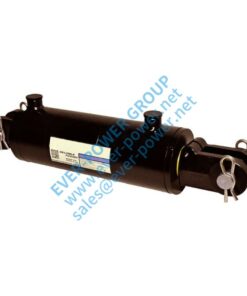
Hydraulic Cylinder


Product Quick Detail:
- Standard and non-standard available
- With high quality and competitive price
- Prompt delivery
- Packing as per customer’s demand.
We promise will offer the best price by the high quality in china! We also accept special order about the products. If you are interested in our products. Please do not hesitate to let us know.We are pleased to give you the detailed information.We promise that our products would be safety and were in high quality and reasonable price. If you are interested in our products, please contact us asap.We are sincerely looking for your cooperation.
Most of our products are exported to Europe or Americas, both standard and nonstandard products available. We can produce as per your drawing or sample. Material can be standard or as per your special request. If you choose us, you choose reliable.

Materials Available
1. Stainless Steel: SS201, SS303, SS304, SS316, SS416, SS420
2. Steel:C45(K1045), C46(K1046),C20
3. Brass:C36000 ( C26800), C37700 ( HPb59), C38500( HPb58), C27200(CuZn37), C28000(CuZn40)
4.Bronze: C51000, C52100, C54400, etc
5.铁:1213,12 l14,1215
6. Aluminum: Al6061, Al6063
7.OEM according to your request
Surface Treatment
Annealing, natural canonization, heat treatment, polishing, nickel plating, chrome plating, zinc plating,yellow passivization, gold passivization, satin, Black surface painted etc.
Processing Method
CNC machining, punch,turning, milling, drilling, grinding, broaching, welding and assembly
QC & Certificate
Technicians self-check in production,final-check before package by professional Quality inspector
ISO9001:2008 , ISO14001:2001,ISO/TS 16949:2009
Package & Lead Time
Size: Drawings
Wooden Case/Container and pallet, or as per customized specifications.
15-25days samples. 30-45days offcial order
Port: Shanghai/Ningbo port