

Boom Aerial Work Vehicle Hydraulic Lower Arm Cylinder For Sale

When selecting a hydraulic lower arm cylinder, it is crucial to consider factors such as load capacity, stroke length, mounting requirements, and environmental conditions. Consulting with hydraulic system experts or contacting hydraulic cylinder manufacturers can help select the appropriate cylinder that meets your specific application needs.It is important to follow the manufacturer’s guidelines and recommendations for installation, operation, and maintenance to ensure safe and efficient use of the hydraulic lower arm cylinder.
What is a Hydraulic Lower Arm Cylinder?
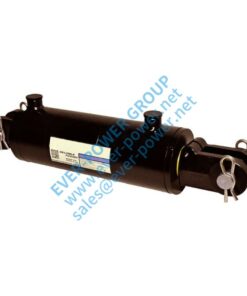
A hydraulic lower arm cylinder, also known as a hydraulic boom cylinder or hydraulic lift cylinder, is a type of hydraulic cylinder used in various applications to control the movement of a lower arm or boom. It is commonly found in excavators, backhoes, loaders, and cranes. The hydraulic lower arm cylinder plays a crucial role in extending, retracting, and positioning the lower arm or boom of the equipment.

| bore diameter (D) | rod diameter (d) | stroke (S) | Installation distance (L) | working pressure | Interface dimensions (M) | weight |
| Φ100 | Φ80 | 1458 | 1899 | 21MPa | 2-Φ9 | 137kg |
Application of a Hydraulic Lower Arm Cylinder
A hydraulic lower arm cylinder finds application in various types of equipment where controlled movement and positioning of the lower arm or boom are required. Here are some common applications:
1. Construction Machinery: Hydraulic lower arm cylinders are extensively used in construction machinery such as excavators, backhoes, and loaders. They control the movement of the boom or lower arm, allowing for digging, lifting, and dumping of materials. These cylinders enable precise control over the equipment's arm extension, retraction, and angle adjustment, enhancing productivity and efficiency on construction sites.
2. Cranes: Hydraulic lower arm cylinders are crucial for mobile and stationary cranes. They enable the telescopic or articulating movement of the crane's boom, allowing for lifting and positioning heavy loads at various heights and distances. The cylinders provide the necessary strength and stability to handle the loads safely and accurately.
3. Material Handling Equipment: Hydraulic lower arm cylinders are used in material handling equipment such as forklifts, reach stackers, and container handlers. They control the extension and retraction of the lifting arms, enabling the equipment to pick up, transport, and stack materials efficiently in warehouses, ports, and logistics facilities.
4. Agricultural Machinery: Hydraulic lower arm cylinders are employed in agricultural machinery like loaders, front-end loaders, and telescopic handlers. They facilitate the movement of the loader arms, allowing for the lifting, carrying, and dumping of agricultural materials, such as hay bales, soil, or feed.
5. Forestry Equipment: In forestry applications, hydraulic lower arm cylinders are used in machinery such as log loaders and harvesters. They control the movement of the loader arms or boom, enabling the equipment to handle and manipulate logs during loading and unloading operations.
6. Mining and Quarrying Equipment: Hydraulic lower arm cylinders are utilized in mining and quarrying equipment like excavators and rock breakers. They control the movement of the excavator arm or boom, facilitating digging, loading, and material extraction operations.
In all these applications, the hydraulic lower arm cylinder provides precise control, strength, and stability to the equipment, allowing for smooth and efficient movement of the lower arm or boom. The cylinders enhance productivity, versatility, and safety in various industries that rely on heavy equipment.

How to Select a Hydraulic Lower Arm Cylinder?
选择正确的液压下臂缸for your specific application involves considering several factors. Here are some key factors to consider when selecting a hydraulic lower arm cylinder:
1. Load Capacity: Determine the maximum load the hydraulic lower arm cylinder must handle. It's essential to choose a cylinder with a load capacity that exceeds the maximum anticipated load to ensure safe and reliable operation.
2. Stroke Length: Consider the required stroke length, the distance the cylinder needs to extend and retract to achieve the desired lower arm or boom movement. The stroke length should be sufficient to meet the operational requirements of your equipment.
3. Operating Pressure: Determine the maximum operating pressure of your hydraulic system. Select a hydraulic lower arm cylinder with a pressure rating that matches or exceeds the system's operating pressure to ensure compatibility and safe operation.
4. Mounting Style: Consider the mounting style required for your equipment. Hydraulic lower arm cylinders come in different mounting configurations, such as flange, trunnion, or clevis mounts. Ensure that the cylinder's mounting style matches the requirements of your equipment.
5. Cylinder Size: Consider the physical size and dimensions of the hydraulic lower arm cylinder to ensure proper fit and integration into your equipment. Take into account space limitations and any clearance requirements in the equipment design.
6. Speed and Control: Evaluate your application's speed and control requirements. Determine whether you need a cylinder with specific speed capabilities or additional control features, such as adjustable cushioning or position feedback sensors, to achieve the desired performance and precision.
7. Environmental Conditions: Consider the environmental conditions in which the hydraulic lower arm cylinder will operate. Factors such as temperature extremes, moisture, dust, and corrosive substances can affect cylinder performance and durability. Choose a cylinder designed to withstand your application's specific environmental conditions.
8. Manufacturer and Quality: Select a hydraulic lower arm cylinder from a reputable manufacturer known for producing high-quality hydraulic components. Ensure that the manufacturer provides proper documentation, technical support, and product warranty.
9. Application-Specific Requirements: Consider any specific requirements or regulations relevant to your application. This may include industry standards, safety regulations, or specific performance criteria the hydraulic lower arm cylinder must meet.
10. Consultation: If you're unsure about the selection process or have unique requirements, consider consulting with hydraulic system experts or contacting hydraulic cylinder manufacturers. They can provide guidance and recommendations based on their expertise and experience.
By considering these factors and gathering the necessary information, you can make an informed decision and select the most suitable hydraulic lower arm cylinder for your application.

Product Steps

Our Factory
 |
 |
Additional information
| edited | by hyw |
|---|
Related products

优质液压紧气缸的守护神ge Excavator Price
Hydraulic Cylinder

Hydraulic Cylinders Reverse Thrust Cylinder Parts For Sanitation Machinery

Hydraulic Locking Cylinders For Sanitation Machinery

Hydraulic Cylinder Rotary Actuator for Aerial Work Platform

Durable Hydraulic Cylinders Forward Thrust Cylinder For Sanitation Machinery


Product Quick Detail:
- Standard and non-standard available
- With high quality and competitive price
- Prompt delivery
- Packing as per customer’s demand.
我们承诺将提供最好的价格由高quality in china! We also accept special order about the products. If you are interested in our products. Please do not hesitate to let us know.We are pleased to give you the detailed information.We promise that our products would be safety and were in high quality and reasonable price. If you are interested in our products, please contact us asap.We are sincerely looking for your cooperation.
Most of our products are exported to Europe or Americas, both standard and nonstandard products available. We can produce as per your drawing or sample. Material can be standard or as per your special request. If you choose us, you choose reliable.

Materials Available
1. Stainless Steel: SS201, SS303, SS304, SS316, SS416, SS420
2. Steel:C45(K1045), C46(K1046),C20
3. Brass:C36000 ( C26800), C37700 ( HPb59), C38500( HPb58), C27200(CuZn37), C28000(CuZn40)
4. Bronze: C51000, C52100, C54400, etc
5. Iron: 1213, 12L14,1215
6. Aluminum: Al6061, Al6063
7.OEM according to your request
Surface Treatment
Annealing, natural canonization, heat treatment, polishing, nickel plating, chrome plating, zinc plating,yellow passivization, gold passivization, satin, Black surface painted etc.
Processing Method
CNC machining, punch,turning, milling, drilling, grinding, broaching, welding and assembly
QC & Certificate
Technicians self-check in production,final-check before package by professional Quality inspector
ISO9001:2008 , ISO14001:2001,ISO/TS 16949:2009
Package & Lead Time
Size: Drawings
Wooden Case/Container and pallet, or as per customized specifications.
15-25days samples. 30-45days offcial order
Port: Shanghai/Ningbo port